
Microsoft Bing is testing a search result layout that strips site names from snippets and shows only the page URL. The change keeps every other element of a standard result intact while removing the brand label that usually sits above the title link. The test mirrors an earlier experiment run by Google, where the same format was pushed to a small slice of users before being rolled back.
What changed in the Bing snippet test
In the standard Bing layout, a result shows the site name in bold above the page title, followed by the breadcrumb path and the meta description. In the new test version, the site name is removed. What remains is the page title link, the URL string beneath it, and the snippet text. The URL appears alone where the brand usually would, giving the snippet a leaner, more uniform look across results from different publishers.
The screenshot shared by the first observer showed a query result page where every listing was rendered without its host name. The change is purely a presentation test: the underlying ranking, the pages returned, and the snippet copy are all unchanged. Only the label above each title link is affected.
Why Bing is running this test now
Bing has a long history of borrowing layout ideas from Google Search experiments, and this test follows that pattern. Google tested the same URL-only snippet design about a year earlier. When Google ran that experiment, the goal appeared to be a cleaner, less branded result page that puts the title and URL on equal footing. Bing’s parallel test suggests the company wants to measure how its own users respond to the same treatment before deciding whether to ship it more broadly.
Removing site names is also a way to test click behavior. With no brand label priming the user, clicks depend entirely on the title, the URL, and the snippet text. That makes the test a useful signal about how much weight users put on brand recognition when choosing which result to open.
What publishers and SEOs should watch
For most publishers, this test will not change anything day to day. Site names in Bing snippets are pulled from structured data, and Bing will continue to read those signals even when the label is hidden. The bigger question is what happens to click-through rate when the brand is invisible. A publisher whose name carries weight, such as a news outlet or a recognized review site, could see a small dip if users lean on the brand when deciding where to click.
The practical move is to wait and measure. Bing tests of this kind usually roll out to a tiny percentage of users before any decision is made. Tools like SEOScanPro can track snippet appearance across the search results and flag when a site is rendered in the new URL-only layout, which makes it easier to see whether the test has reached a given query.
How to tell if the test is live for a query
The simplest check is a manual one. Open Bing in a private window, run a few branded and non-branded searches, and compare the snippet format against the standard layout. If the site name is missing above every title link, the test is active for that session. Because Bing splits tests across users, devices, and regions, two people on the same network can see different layouts at the same time.
What this test does not affect
The test is limited to the snippet display. Page ranking, indexing, crawl behavior, and structured data processing are not part of the change. Sites that rely on their brand name for trust signals in the search results will still rank the same way they did before. The risk, if there is one, is only on the click side, and only for the slice of users who land in the test cohort.
FAQ
Is Bing really removing site names from search snippets?
Yes. Microsoft Bing is running a small test that displays only the page URL above each result title, with no site name in between.
Did Google test something similar?
Yes. Google tested a URL-only snippet layout about a year before Bing’s current experiment, following a similar pattern of removing the brand label above the title link.
Should publishers be worried about the change?
Not yet. The test affects only how snippets look, not how pages rank. Any impact on click-through would be limited to users who see the test layout.
Try the site audit tool
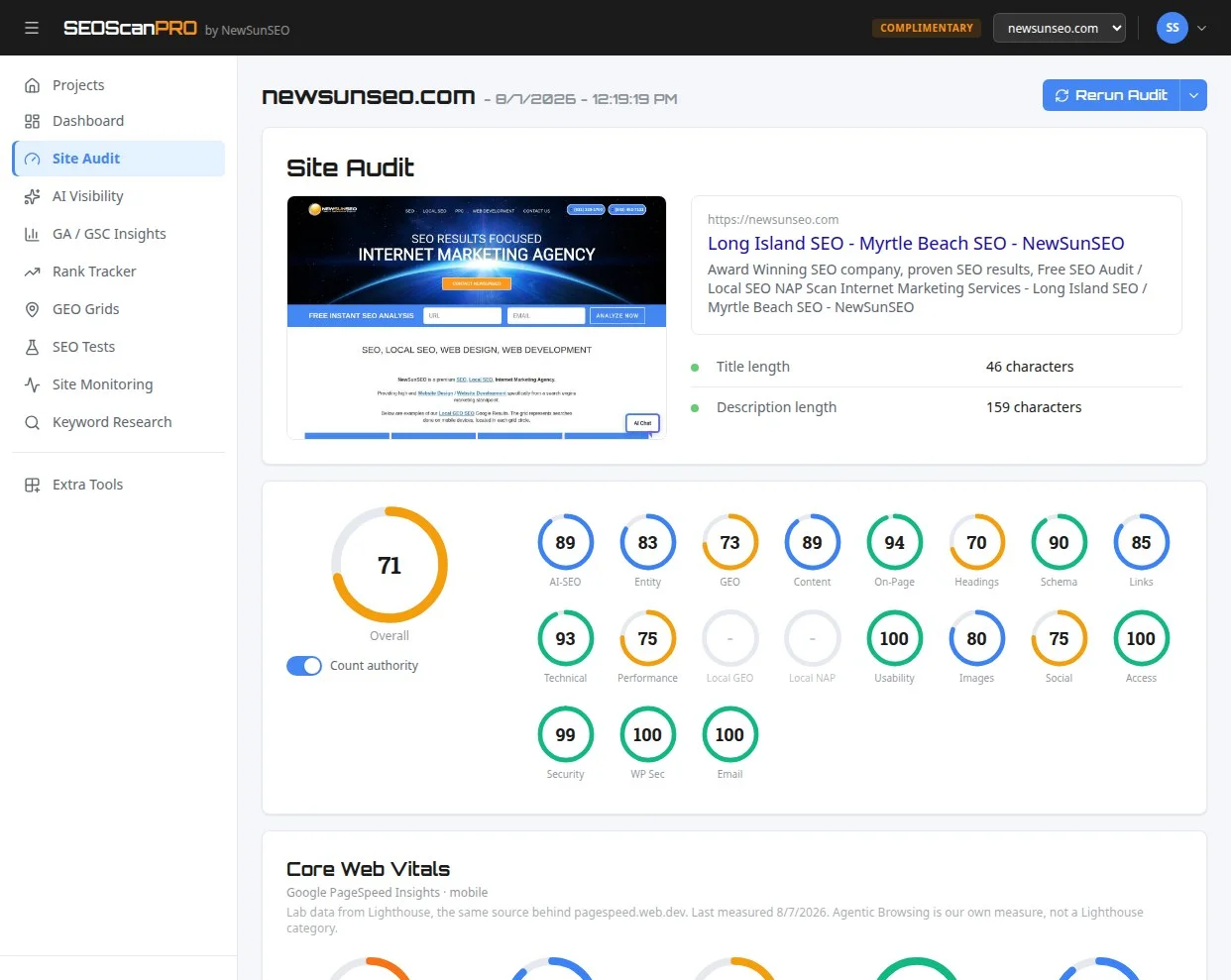
The site audit tool runs a full technical audit of a site and shows the measured result behind every check. Open the site audit tool.
This article summarizes reporting from seroundtable.com.