
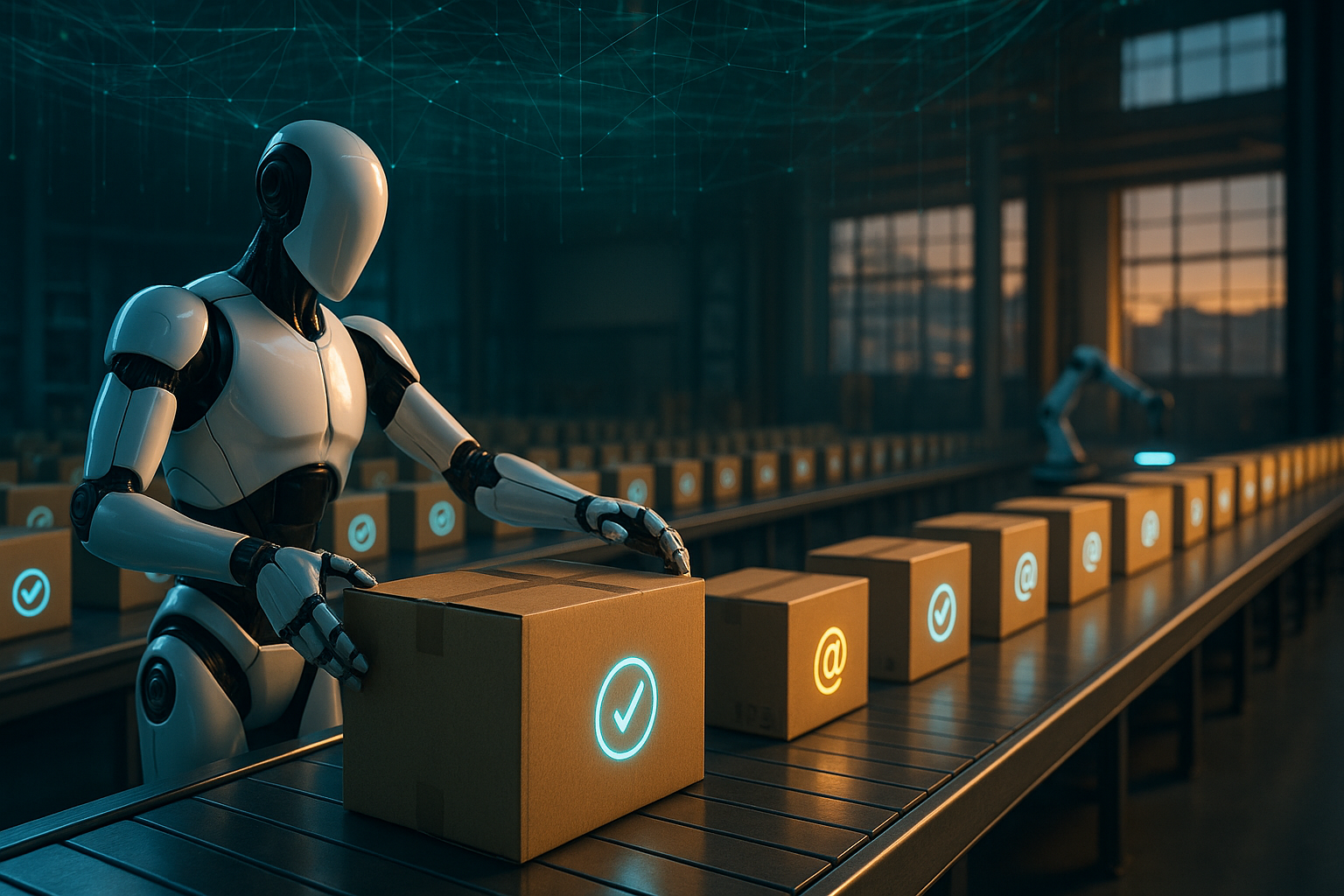
Figure AI’s Figure 02 humanoid robot completed 200 consecutive hours of autonomous physical work inside a simulated logistics environment, with no remote control and no human intervention. The test, documented in a company endurance report, recorded more than 28,000 pick-and-place cycles, a 99.4% task-completion rate, and over 120 miles of walking. It is the first time a humanoid platform has sustained a full workweek of repetitive physical labor without any operator handoff.
Why endurance changes the embodied AI conversation
For most of the last decade, humanoid demonstrations have been measured in minutes or hours. A robot that could walk across a stage, fold a towel, or sort a handful of objects drew headlines, then went back to the charger. The 200-hour run is significant because it answers the question warehouse operators actually ask: can the machine survive a shift, and the shift after that, and the shift after that?
The International Federation of Robotics has projected that humanoid robots could surpass 1.5 million units deployed worldwide by 2035. That forecast assumes endurance, not novelty. A robot that runs for a full week without a human touching it moves the technology from research project to candidate workforce.
What the test setup actually looked like
Figure’s engineering team placed Figure 02 inside a climate-controlled mock fulfillment center stocked with standardized storage bins, conveyor belts, and pallet racks. The robot ran a closed loop of warehouse tasks: pulling items from bins, placing them into shipping totes, walking between stations, scanning barcodes, and managing its own power supply through autonomous docking and battery swaps.
No operator intervened at any point. The onboard neural networks handled full task planning, error recovery, and energy forecasting. According to Figure’s endurance report, the platform proactively routed itself to a charging dock before its battery state crossed a safety threshold rather than waiting to fail.
The numbers from the 200-hour window
- 200 hours of continuous operation, the rough equivalent of 25 standard eight-hour workdays run back to back.
- More than 28,000 successful pick-and-place cycles, with a total payload moved exceeding 12,000 kilograms.
- 99.4% task-completion rate. The remaining 0.6% triggered automatic retries caused by grip slip or docking misalignment, and every retry resolved on the robot itself.
- Over 120 miles walked across varied floor surfaces inside the test cell, demonstrating locomotive stability under sustained load.
- Zero remote-operator handoffs. All error recovery ran through the onboard planning stack.
Those figures are the meaningful ones for anyone evaluating whether the technology is ready for a paying contract. A 99.4% success rate across tens of thousands of cycles is the kind of reliability number procurement teams request from incumbent automation vendors. Figure is now in that conversation.
What is technically new
Three engineering choices carried the run. First, the electric actuation stack was tuned for power efficiency, so each battery cycle produced more work than previous generations. Second, the packs themselves are hot-swappable: the robot walked into a dock, swapped a depleted pack for a fresh one, and resumed work without an external technician. Third, a self-monitoring layer predicted energy state and dispatched the robot to a charger ahead of depletion, rather than reacting after the fact.
The fourth ingredient was a custom end-effector, the gripper, that held its grip reliability across the full run. Slipping grippers are the most common failure mode in pick-and-place robotics, and the report credits the gripper design with keeping retry rates under one percent.
What Figure is doing next
The hardware that ran the endurance test now moves into live pilot work. BMW has been evaluating Figure 02 for material handling at its Spartanburg manufacturing facility; the next milestone is pushing shift-length endurance onto a real automotive assembly line, where manipulation demands are less uniform than a test cell.
Figure is also building out multi-robot coordination. The roadmap calls for several humanoids sharing a task queue, dynamically reassigning work based on each unit’s battery state and physical location. Safety certification for human co-working environments is a parallel track, since any commercial deployment will require regulatory sign-off before a robot shares a floor with people who are not test engineers.
Beyond the factory, the targets are last-mile delivery depots and large-format retail backrooms, settings where the work is bounded but the product mix shifts constantly.
What to watch if you run an operation
For site owners and operations leads, the 200-hour result is a procurement signal rather than a purchasing signal. The cost curve is still steep, and the current pilots are confined to controlled cells with standardized bins. Before a humanoid makes sense in your facility, three things need to mature:
- Generalization to unstructured inventory. The test used uniform totes. Real warehouses hold irregular shapes, soft packs, and transparent films.
- Manipulation dexterity beyond pick-and-place. Tote packing, label placement, and induction onto conveyors are still hard.
- Safety certification for mixed human-robot zones. Until regulators publish a clear framework, deployment will be limited to fenced cells.
Leasing models for humanoid labor are likely to follow the path warehouse IoT took, with vendors offering per-shift or per-cycle pricing once fleets scale. Operators who map their current manual-handling hot spots now, the SKUs that move most volume, the stations with the highest labor turnover, will be best positioned to evaluate a pilot when one becomes available.
How this fits the wider AI agent trend
The software side of the industry has spent the last two years shipping agentic systems that book appointments, write code, and chain tool calls without supervision. Figure’s endurance result is the physical counterpart: an embodied agent that runs a task loop without a human in the loop. The two tracks converge when a software agent watching inventory levels hands a restock request to a humanoid that walks to the right shelf and replenishes it. None of that is productized yet, but the building blocks on each side are arriving.
FAQ
How did Figure 02 keep running for 200 hours without a human?
Efficient electric actuation, hot-swappable battery packs, and onboard energy-prediction routines let the robot route itself to a charging dock, swap packs, and resume work. A purpose-built gripper design kept slip failures rare, and onboard planning handled the small share of retries that did occur.
What did the robot do during the 200-hour test?
Inside a climate-controlled mock logistics center, Figure 02 picked items from storage bins, placed them into shipping totes, walked between stations, scanned barcodes, and managed its own recharging. The run produced more than 28,000 successful pick-and-place cycles and moved over 12,000 kilograms of product.
Is Figure 02 ready for commercial deployment?
Pilots are already running at BMW’s Spartanburg plant for material handling, and the endurance result clears the shift-length reliability bar. Widespread commercial rollout still needs safety certification, better generalization to unstructured inventory, and lower unit costs.